
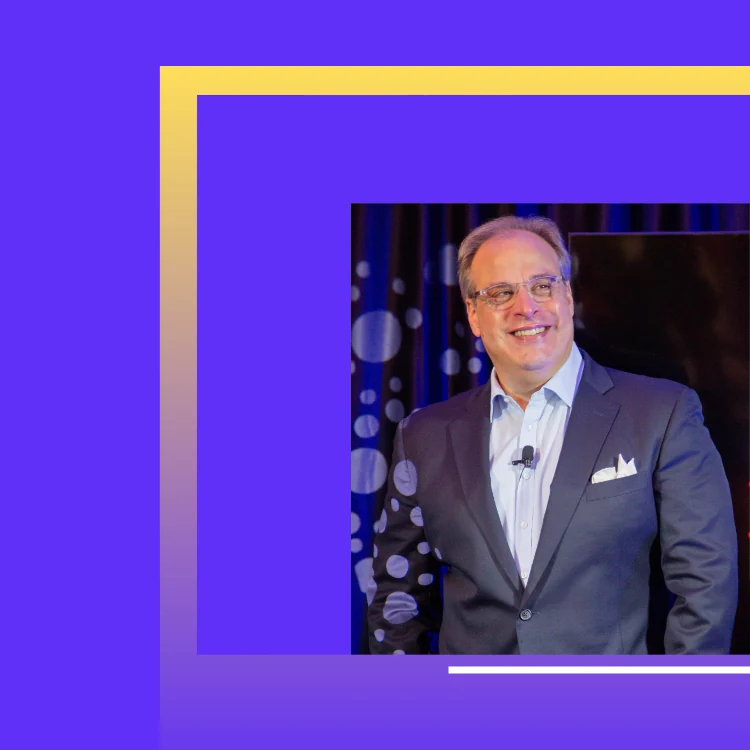
This episode of Unmotive Show explores the intersection of small business growth, founder pressure, sales strategy, personal wellness, and lifestyle balance through a conversation with Nick Loise.
Nick brings a grounded perspective from years in sales, marketing, lead generation, business development, and founder-led business consulting. He begins by sharing how his career started with cold calls and sales scripts, then evolved into marketing leadership, agency ownership, a successful business exit, and eventually work focused on helping small businesses build better sales systems.
The conversation centers on a reality that many founders know well: small business ownership can be both deeply meaningful and extremely demanding. Nick talks about the emotional and practical pressure founders carry, the difficulty of managing themselves when no one else is setting the pace, and why many business owners need better systems for sales, marketing, leadership, and daily execution.
A major theme of the episode is that business success cannot be separated from personal sustainability. Nick shares his own routine—early mornings, workouts, stretching, reading, family time, evening walks, and intentional rest—as part of the structure that helps him show up well in work and life.
The episode also becomes a live strategy session for GoalOasis, where Nick challenges the idea of building for everyone. He pushes for a sharper niche, a clearer audience, a stronger “for and against” position, and a practical go-to-market strategy built around early users, testimonials, case studies, grassroots communities, and consistent messaging.
The result is a conversation about what it really takes to grow: not just more hustle, but clearer focus, better habits, sharper positioning, and a healthier relationship with the work itself.
🎧 Guest Background: Nick Loise
Nick Loise is a sales and marketing leader with a long career helping small and mid-sized businesses improve how they generate leads, build sales teams, and grow revenue.
He began his career in sales, making cold calls and learning the discipline of direct outreach before moving deeper into marketing and business development. Over time, he held leadership roles, built a Chicago-based lead generation agency, worked with small and mid-sized businesses, and later moved into sales education and implementation.
Nick’s work is especially focused on founder-led businesses. He speaks directly to the challenges of small business owners who are passionate about what they do but often overwhelmed by the pressure of doing everything themselves.
His approach combines sales leadership, marketing strategy, practical implementation, and a deep respect for the people behind small businesses. Rather than treating growth as a theory, Nick focuses on the systems, habits, offers, and messaging that help founders get out from under constant pressure and build something more sustainable.
Guest Links
Website: https://salesperformanceteam.com/about/
LinkedIn: https://www.linkedin.com/in/nicholasloise
Amazon Author Page: https://www.amazon.com/stores/author/B0DY5M8FXW/about
Key Topics Discussed
1. Nick’s Path Through Sales, Marketing, and Business Growth
Nick shares how his career began in traditional sales, making cold calls and following scripts, before moving into marketing leadership and business development.
He later built a lead generation agency focused on local small and mid-sized businesses, especially in home improvement and home services. That experience gave him a front-row view of how small businesses were beginning to use the internet for real lead generation instead of simple brochure-style websites.
His path eventually led to sales education, sales leadership, business implementation, and deeper work with founder-led companies.
2. Why Nick Focuses on Founder-Led Small Businesses
Nick explains that his company works primarily with founder-led businesses because those owners often carry the most pressure.
Many small business owners are responsible for everything: sales, marketing, service delivery, hiring, operations, customer relationships, and the emotional burden of keeping the company alive.
The conversation highlights a key idea:
Small business owners are often highly passionate, but they are also often stretched thin.
Nick describes them as people who care deeply about their customers, their communities, and their independence. At the same time, they need systems that help them stop doing everything alone.
3. The Lifestyle of Small Business Owners
Rotimi and Nick discuss what small business owners do outside of work and how lifestyle, family, and leisure fit into the founder experience.
Nick points out that many small business owners are deeply connected to their families and communities. Their pastimes often include their children’s activities, local sports, health routines, and hobbies like golf, tennis, pickleball, working out, or simply spending time with loved ones.
The conversation brings out a meaningful point:
For many founders, the business is not just work. It is part of their identity.
That level of passion can be powerful, but it can also make it hard to step away and recover.
4. Health, Routine, and Showing Up as Your Best Self
Nick shares how physical activity, stretching, reading, family connection, and intentional downtime help him stay grounded.
His routine includes:
- Waking up early
- Going to the gym
- Stretching
- Reading scripture and newsletters
- Keeping up with client work
- Prospecting consistently
- Taking breaks during the day
- Getting sunlight
- Walking in the evening
- Spending time with his wife and family
- Limiting screens before bed
The deeper message is that health routines are not just personal habits. They affect how we show up for other people.
Nick and Rotimi discuss how neglecting your health or family does not only hurt you—it can also prevent others from experiencing the best version of you.
5. Giving People More Grace
A reflective part of the episode focuses on how people interact with each other in a tense and exhausted culture.
Nick shares the idea that we often do not know what someone experienced just before we encountered them. A person may seem angry, distracted, or difficult, but something may have happened 30 minutes earlier that changed their entire day.
This leads to a broader point about grace:
People are carrying stress we cannot always see.
The conversation connects this to business owners, families, communities, and everyday interactions.
6. A Live Sales Workshop for GoalOasis
In the second half of the episode, Rotimi asks Nick to workshop sales strategy for GoalOasis, a productivity app focused on long-term goals, milestones, and tasks.
Nick’s first recommendation is clear:
Do not build for everyone.
He encourages GoalOasis to niche down and identify a very specific audience. Instead of saying the app is for anyone who wants to be productive, he suggests defining a clear group with a clear problem.
Examples discussed include entrepreneurs, small business owners, or another sharply defined community.
Nick also emphasizes that a brand should stand for something and against something. That positioning helps people understand not only what the product does, but why it exists and who it is really for.
7. Finding the “Who” Before Scaling the Product
Rotimi explains that GoalOasis started with the “why,” inspired by the idea that strong companies often begin with purpose.
Nick challenges that approach in a practical way. He does not dismiss the importance of the “why,” but argues that an early startup also needs to become obsessed with the “who.”
His advice is to find the people with the strongest problem, study their language, understand their frustrations, and design the product and message around them.
The key idea:
Be a problem looking for a solution, not a solution looking for a problem.
8. Grassroots Marketing and Early Users
Nick recommends a practical early growth strategy:
- Find niche communities on Reddit, Facebook, LinkedIn, X, forums, and groups
- Listen to what people complain about
- Identify repeated pain points
- Offer early access at low cost or free
- Ask early users for testimonials
- Build case studies
- Interview users about their experience
- Use feedback to sharpen the product
- Create consistent content around the core message
For an early-stage app, Nick suggests reducing risk for users and making it easy for them to try the product.
The focus is not just launching—it is learning from the market as quickly as possible.
9. GoalOasis, Personal Growth, and Lifestyle Goals
Rotimi shares more about the vision for GoalOasis and how it connects to personal growth, lifestyle, leisure, and long-term goal setting.
The app is described as a tool for helping people track goals, milestones, and tasks, with future AI features being tested by an invite-only group.
Rotimi also discusses the broader mission around Personal Health and Wellness Day, hobby expenses, leisure, and helping people choose meaningful personal growth activities.
Nick responds positively to the vision while continuing to emphasize the importance of getting the minimum viable product into the hands of real users.
Personal Reflections and Experiences
This conversation feels like a bridge between business strategy and personal sustainability.
On one side, Nick gives very practical advice: niche down, define your audience, create a clear offer, gather testimonials, build marketing assets, and get early feedback.
On the other side, the episode is not only about sales. It is about the kind of life a founder is building while trying to grow a business.
There is a subtle but important lesson here:
If the business consumes everything, even success can become unhealthy.
Nick’s daily routine, his commitment to movement, his family time, and his reflections on grace all point toward a more balanced way of thinking about ambition.
The episode also challenges the idea that passion alone is enough. Founders may love their work, but without structure, support, systems, and recovery, that love can become pressure.
For GoalOasis, the conversation surfaces a clear next step:
The vision matters, but the audience has to become sharper.
A product grows faster when it knows exactly who it is helping, what pain it solves, and why that group should care right now.
Resources and Recommendations
Nick Loise’s Work
Website: https://salesperformanceteam.com/about/
LinkedIn: https://www.linkedin.com/in/nicholasloise
Amazon Author Page: https://www.amazon.com/stores/author/B0DY5M8FXW/about
Focus Areas
- Sales leadership
- Founder-led business growth
- Lead generation
- Marketing implementation
- Sales team development
- Small business sales systems
- Business owner support
- Startup positioning
- Niche development
- Offer creation
Suggested Exploration
For small business owners and startup founders:
- Define who your product is truly for
- Identify what your audience is tired of
- Clarify what your brand stands for
- Clarify what your brand stands against
- Give early users a low-risk way to try your product
- Ask early users for testimonials and case studies
- Listen to niche communities before scaling your message
- Build daily routines that protect your health and focus
Listen and Subscribe
Don’t miss this conversation with Nick Loise on sales, small business growth, founder pressure, daily routines, and the importance of building a focused business without losing yourself in the process.
Listen here: Apple Podcasts
Subscribe here: YouTube
Connect with Us
Unmotive Show Website: https://www.unmotive.com/
Follow on Twitter: unmotiveshow
Follow on Instagram: tech_outdoorsy_guy
Thank you for joining us on this episode of Unmotive Show. If you enjoyed the conversation, please leave a review, subscribe, and share it with someone building a business, growing a startup, or trying to create a more sustainable rhythm between work, family, health, and personal growth.